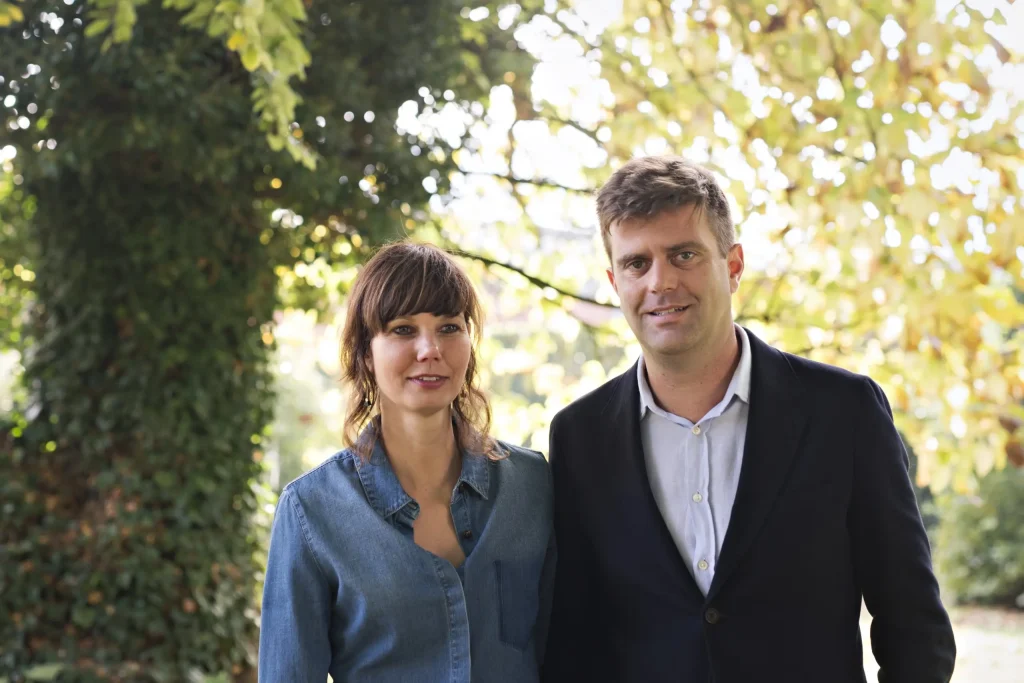
Multi-media, the newsletter of Multi-Engineering, published a fascinating article about Connective Communication and Walk Your Talk. A first-hand testimonial of how the organization is sustainably anchoring connective communication within their corporate culture.
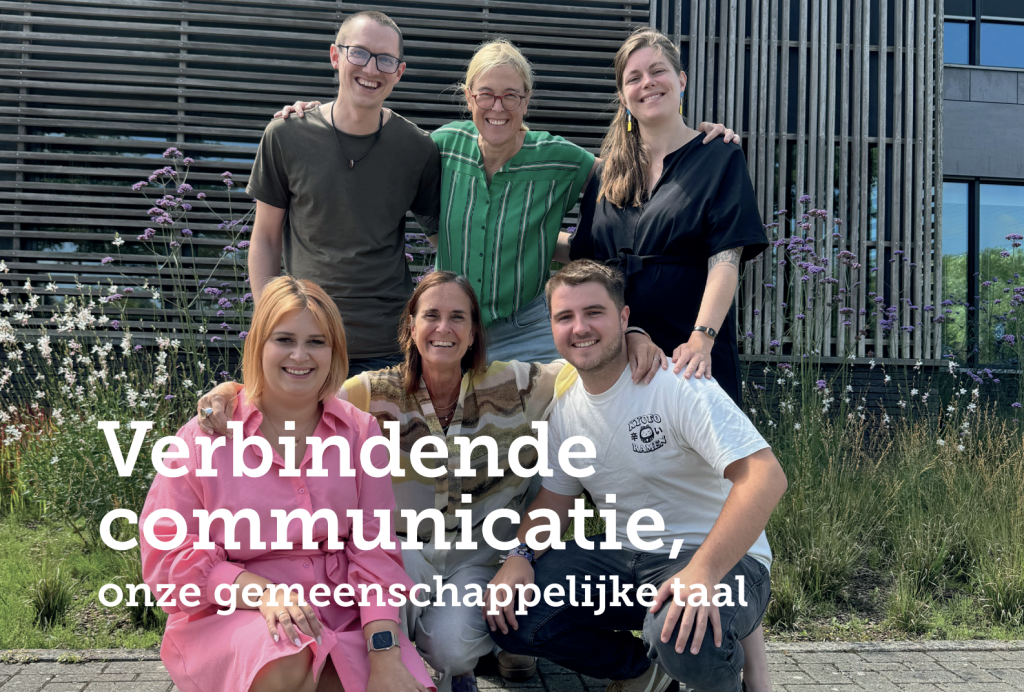
At Multi Engineering, we are making a statement and consciously choosing connective communication. This will become our common language, the way we want to interact with each other and with clients. Els Van Beveren, owner of Walk Your Talk, Ilse Verbeke, Walk Your Talk trainer in connective communication, and our colleague account manager Katja Baert are working together with a team of internal ‘facilitators’ to help anchor the power of connective communication within our organization.
Communicating positively
“To me, connective communication means efficiency,” says Katja. “By using certain techniques to create understanding for yourself and your conversation partner, communication flows clearly and helps move things forward.”
“In addition, connective communication primarily brings more empathy, trust, and depth to relationships,” Els adds. “It is based on the principles of Nonviolent Communication, developed by clinical psychologist Marshall Rosenberg. Conversation partners take responsibility for how they convey a message. They have insight into their own emotions and those of the other person. They listen empathically to what is important and express their appreciation in the right way. If tension or conflict does arise, they know how to reconnect. At Walk Your Talk, we have further developed these principles into a model that allows companies to use words and non-verbal communication positively and productively for an open way of collaborating, leading, and living together.”
“For me, it was a revelation,” says Katja, “the insight that empathic listening, genuine interest, and understanding needs and requirements can make such a difference in communication. After the first training, I suddenly understood why you always have a good chat with some people, while conversations with others always end in frustration.”
Anchoring connective communication
“Everything starts with the board and management,” says Els. “They serve as important role models. Furthermore, connective communication is a powerful tool for coaching leadership. After training the managers, we roll out the concept across the organization in the way that works best for the company. We teach employees very concrete techniques and skills to communicate more effectively using the ‘dance floor’ methodology.”
“In the beginning, it feels very unnatural,” Katja admits. “But by practicing, it becomes automatic, just like driving a car or playing the piano. And when you notice that it really works, you naturally apply it more often. Together with Walk Your Talk, we organized training sessions on connective communication. To keep this alive, there is now also an internal team of ‘facilitators’. Over time, we will be able to provide the basic ‘connective communication’ training to new colleagues ourselves and take various initiatives to keep working with it within our company. We attended in-depth training sessions with Ilse Verbeke, Els’s colleague. Now we feel prepared to support colleagues who, for example, have a discussion within the team or need to engage in a difficult conversation with a client. In our internal teams, such as the Service Team and the Design Office, connective communication is already quite well-established. Our challenge now is to provide the insights and tools for connective communication to our colleagues who work at client sites through project sourcing—a work context where we as MULTI engineering have little impact.”
“Connective communication is not only a powerful tool for personal growth; it also creates a safe working environment and positive energy that enables employees to utilize their full potential.” – Els Van Beveren
Open collaborative culture and increased customer focus
‘Fluff, airy-fairy, too candid…’, in the beginning, there is sometimes resistance when the term connective communication is mentioned, Els admits. “But that offers us the opportunity to apply connective communication concretely right away. Because dealing with resistance, showing understanding for it, and not imposing a viewpoint are precisely key components of connective communication. And ultimately, it always touches people in one way or another, whether they are managers, engineers, or foremen. Sometimes they find it difficult to apply connective communication in a professional context, but they might use it, for example, in the relationship with their children. We sense very strongly that many people long to find more connection. In that sense, attention to connective communication is truly a gift from the employer, which you can use in all facets of life.”
“For me, connective communication proves its value in every aspect of my work as an account manager.” – Katja Baert
Connective communication is not only a powerful tool for personal growth. According to Els, it also creates a safe and open work atmosphere, mutual respect, and positive energy that enables employees to utilize their full potential. “Employees who can communicate connectively in addition to their technical skills also make a difference in terms of customer focus. They are able to build sustainable relationships with the client.”
Useful in every aspect of the job
Katja is enthusiastic. “For me, connective communication proves its value in every facet of my work as an account manager. But not just for myself—for my colleagues too. Whether it concerns internal or external relationships, things can become complex. I believe that we can grow as a company by understanding each other better and communicating better. And we do this by integrating the language of connective communication into our DNA.”