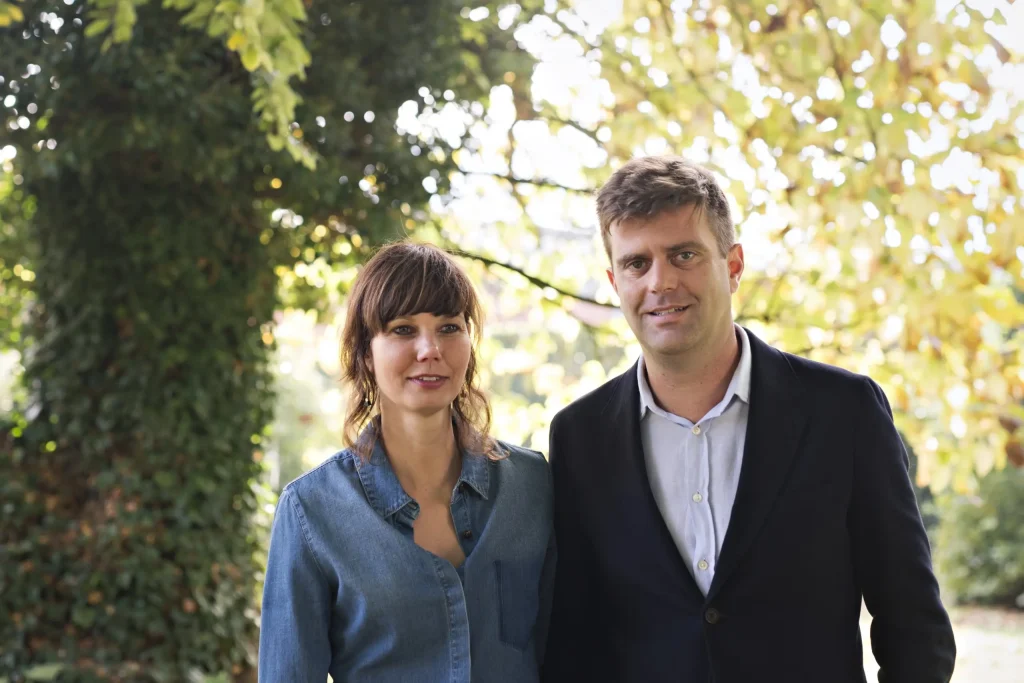
During the last open training session that Els Van Beveren gave for HRD Academy, it was even the central theme.
Leaders from various companies and sectors met during the open training on connecting communication. Els quickly picked up on a struggle between generations. Judgments about Generation Z – the generation born between the mid-1990s and mid-2010s – were flying around. Seasoned leaders are at their wits’ end, seeing their years of experience and values challenged. But the fact remains that we need Gen Z, who, by the way, are bursting with entrepreneurship and creativity, in our organizations.
“They are not motivated.” “They have no respect.” “If it’s not fun for a moment, they leave.” And so on. The judgment we heard most often? “Gen Z cannot handle hierarchy.” These are certainly reflections that should prompt us to question our leadership style if we want to attract and motivate the new generations in the labor market. But how far can an organization go in ‘aligning with their world’? What role should an employer play in this matter?
Differences in upbringing
Above all, let us talk about it. What matters is that a dialogue is possible. We must sincerely listen to each other’s needs and find ways to make it work together. Gen Z is collectively pushing back against the status quo and forcing employers to change. And they are right. Because indeed, we must take the climate seriously, let go of pigeonholing, and resolutely strive for social impact.
Where do these generational differences come from? Well, every generation is raised differently. For baby boomers, it was about hard work and not complaining – overtime included. Today’s youth are raised with the idea that work should also be fun. Activities that provide enjoyment and connection between colleagues, both at and outside of work, are important to them. Els draws from her own experiences as a mother: “I no longer raise my children the same way I was raised. The ‘old school’ style, which was quite authoritarian, no longer works. Not with my children and not with my team members.”
Learning opportunities
So, find out what Gen Zers find important, at work and in life. They truly want to be able to contribute, have an impact, and be heard. So do not be surprised if a job applicant asks you about your organization’s vision, values, and sustainability plan during an initial interview. Meaningful work is crucial for them. As a company, you can see this as a challenge. Also, examine how authentic and value-driven your organization is. Before you know it, you will become irrelevant as an employer.
Gen Z is raised with a lot of freedom and choices, both at home and at school. They often have their own projects running alongside their jobs. As a leader, you should therefore act more as a coach or mentor than as a boss. Make clear agreements, hold regular check-ins, but also give them a say in how they organize their work. In a micromanagement culture with endless meetings, Gen Zers will lose all their energy. Also, provide sufficient opportunities for further learning, as that is an essential part of work for Gen Z. In fact, these are all things that benefit every employer.
Building a connection
Gen Z also insists on equality. For example, they disengage from managers who seem to know better or experienced colleagues who seem to have a monopoly on the truth. What can help? Asking questions about how they experience things, what they can learn from a situation, what they would do differently themselves… Also, give space to their strengths. Gen Z has a lot of knowledge about digitalization, automation, and artificial intelligence. With coaching leadership, you can reap the benefits of that.
‘Building a career’ is not a goal in itself for Gen Zers. Staying with the same employer or in the same job for a lifetime seems unthinkable to them. And they do not find it strange to interrupt their careers to, say, go traveling. There are so many possibilities in life, a life that Gen Z believes is shapeable. Research shows that Gen Zers change jobs every two years on average. This naturally causes unrest. It requires continuous adaptation and makes it difficult to truly connect with the company and colleagues. The ideal images on social media also cause uncertainty: ‘am I in the right place?’. As an employer, it is therefore important to invest in building a connection, in coaching, and in guidance. One last tip? As a leader, dare to shift your own paradigms. And above all: ‘Be real’.
Walk Your Talk is here for guidance on all kinds of issues you encounter as an organization. We would love to hear how we can help.